🧬 Lipoprotein(a) & ApoB: What They Mean for Heart Health and How to Manage Them Naturally
🔍 What Are Lipoprotein(a) and ApoB?
Your blood carries cholesterol in particles called lipoproteins.
The two most important markers for heart health are:
💥 Lipoprotein(a) — Lp(a)
✅ A type of LDL particle with an extra protein (apolipoprotein(a))
✅ Makes LDL stickier, increasing plaque buildup
✅ Mostly genetic—~20% of people have high Lp(a)
⚡ Apolipoprotein B — ApoB
✅ The main protein on all plaque-forming particles (LDL, VLDL, IDL, and Lp(a))
✅ Every LDL particle has one ApoB molecule
✅ Unlike Lp(a), ApoB responds well to diet and lifestyle
❤️ Why Should You Care?
Even if your cholesterol seems normal, high Lp(a) or ApoB silently raise heart disease risk.
🔹 A major NEJM study found very high Lp(a) levels = 50% higher heart attack risk
🔹 ApoB predicts heart disease better than LDL cholesterol
🔹 Lp(a) also damages the aortic valve over time
🎯 What Are Healthy Levels?
| Marker | Target Level |
|---|---|
| Lp(a) | Less than 30 mg/dL (under 75 nmol/L) |
| ApoB | Under 80 mg/dL (low risk) Under 65 mg/dL (very high risk) |
💡 Tip: If you have family history or early plaque buildup, ask your doctor to measure both.
🛡️ Can You Lower Them?
✅ ApoB — responds to diet, exercise, and medication
✅ Lp(a) — mainly genetic, but you can reduce risk by lowering LDL and inflammation
✅ New therapies to target Lp(a) are in development
💊 Medical Therapies That Help
✅ Statins — lower LDL and ApoB (no effect on Lp(a))
✅ PCSK9 inhibitors — lower LDL, ApoB, and modestly lower Lp(a)
✅ Niacin — reduces Lp(a) by ~30% (less common due to side effects)
✅ Pelacarsen — in trials, may lower Lp(a) up to 80%
⚠️ Always discuss medications with your healthcare provider.
🌿 Natural Strategies to Improve Lipoproteins
While you can’t fully “cure” high Lp(a) naturally, these science-backed steps help reduce ApoB and overall risk:
🥣 1. Eat More Soluble Fiber
✅ Why it helps: Binds bile acids and reduces LDL and ApoB
✅ Evidence: 5–10 grams daily cuts LDL ~5% (Brown et al., 1999)
✅ Sources: Oats, beans, apples, psyllium husk
🌰 2. Add Plant Sterols and Stanols
✅ Why it helps: Blocks cholesterol absorption
✅ Evidence: 2 grams daily lowers LDL ~10% (Demonty et al., 2009)
✅ Sources: Fortified spreads, nuts, orange juice
🫒 3. Follow a Mediterranean Diet
✅ Why it helps: Healthy fats and antioxidants protect arteries
✅ Evidence: PREDIMED trial = ~30% fewer heart events (Estruch et al., 2013)
✅ Tip: Use extra virgin olive oil daily
🐟 4. Increase Omega-3s
✅ Why it helps: Lowers triglycerides and inflammation
✅ Evidence: 2–4 grams EPA/DHA improve lipids (Maki et al., 2005)
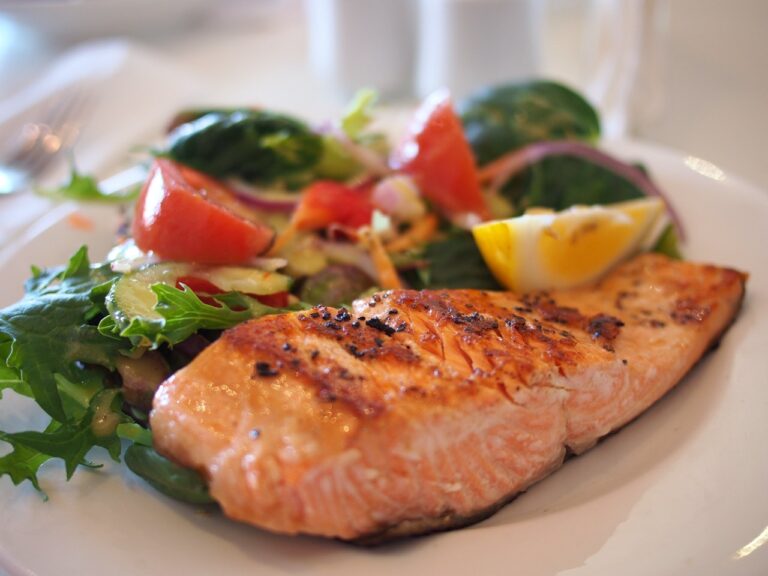
✅ Sources: Salmon, sardines, algae oil (vegan)
🍵 5. Drink Green Tea
✅ Why it helps: Catechins lower LDL and ApoB
✅ Evidence: 5–10% LDL reduction (Zheng et al., 2011)
✅ Tip: Aim for 2–3 cups daily
🧘♂️ 6. Reduce Stress and Sleep Well
✅ Chronic stress increases LDL and inflammation
✅ Prioritize 7–8 hours of restful sleep
✅ Try yoga, meditation, or deep breathing
🏃♀️ 7. Stay Active
✅ Why it helps: Lowers LDL, ApoB, and triglycerides
✅ Goal: 150 minutes of moderate exercise + 2 strength sessions per week
✅ What Should You Do Next?
1️⃣ Get Tested: If you have family history or early plaque, ask for Lp(a) and ApoB tests.
2️⃣ Act Early: Combine lifestyle changes with medical treatment if needed.
3️⃣ Stay Informed: Watch for new therapies to lower Lp(a).
📚 References
- Kamstrup PR et al., NEJM, 2009
- Ference BA et al., JAMA Cardiology, 2019
- Brown L et al., AJCN, 1999
- Demonty I et al., AJCN, 2009
- Estruch R et al., NEJM, 2013
- Maki KC et al., Nutrition Research, 2005
- Zheng X et al., AJCN, 2011
💡 Bottom Line:
Lipoprotein(a) and ApoB are hidden drivers of heart disease. Testing early—and combining medication with proven lifestyle strategies—can help you take charge of your heart health.