
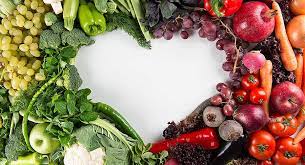
🌾 Fiber and Diabetes: Why It Matters and How to Get More
Managing diabetes isn’t just about cutting sugar or watching carbs—it’s also about choosing the right kinds of carbs. And that’s where dietary fiber comes in.
Fiber doesn’t just keep digestion smooth—it plays a powerful role in controlling blood sugar, reducing complications, and supporting overall health. In this post, we’ll explore what the science says, the best sources of fiber, and practical ways to add more into your day.
🧪 What the Research Says About Fiber and Diabetes
1. Improves Blood Sugar Control
- Fiber, especially soluble fiber, slows down digestion and glucose absorption. This helps prevent rapid spikes in blood sugar after meals.
- A meta-analysis published in Diabetologia (2019) found that people with higher fiber intake had better long-term blood sugar control (lower HbA1c levels).
2. Reduces Insulin Resistance
- A study in The Lancet (2019) linked high fiber diets to improved insulin sensitivity, which is key in type 2 diabetes management.
3. Supports Heart Health
- People with diabetes have higher cardiovascular risk. Fiber-rich foods can lower LDL cholesterol and blood pressure, according to Journal of the American College of Cardiology (2017).
4. Helps with Weight Management
- Fiber promotes satiety—keeping you fuller, longer. This helps prevent overeating, which is critical for weight and blood sugar control.
🌱 Best Sources of Fiber for Diabetes
Not all fiber is equal. Aim for a mix of soluble (great for blood sugar and cholesterol) and insoluble (great for digestion).
Top Choices:
- 🥑 Vegetables: Broccoli, Brussels sprouts, carrots, leafy greens
- 🍎 Fruits (with skin): Apples, pears, berries
- 🌾 Whole grains: Oats, quinoa, barley, brown rice
- 🥜 Legumes: Lentils, chickpeas, black beans
- 🥥 Nuts & Seeds: Chia, flaxseed, almonds
🥗 Fiber-Powered Breakfast Ideas for Diabetes
💡 Start your day with meals that balance fiber + protein + healthy fats to keep blood sugar steady. Here are some delicious options:
🍳 Veggie-Packed Scramble
Sauté spinach, mushrooms, and bell peppers, then scramble with eggs or tofu. Serve with a slice of whole-grain toast.
✅ Fiber + protein combo keeps you fuller longer.
📸 [Insert Image Suggestion: veggie scramble or stock photo of eggs + greens]
🌱 Chia Seed Pudding
Mix 3 tbsp chia seeds with 1 cup unsweetened almond milk. Let it sit overnight, then top with berries and flaxseed.
✅ Rich in soluble fiber and omega-3s.
📸 [Insert Image 1 or 3: chia pudding bowl]
🥑 Savory Quinoa Bowl
Warm quinoa topped with sautéed greens, sliced avocado, and a drizzle of olive oil.
✅ High fiber + healthy fats = slower glucose release.
📸 [Insert Image 4: quinoa breakfast bowl]
🫐 High-Fiber Smoothie
Blend spinach, frozen berries, half a pear (skin on), ground flaxseed, and unsweetened Greek yogurt.
✅ Easy, portable, and packed with gut-friendly fiber.
📸 [Insert Image 2: smoothie bowl]
👉 Pro Tip: Rotate these options during the week so breakfast never gets boring—and your blood sugar stays on track.
🛠 More Tips to Boost Fiber Intake
- Go for Whole, Not Refined → Choose whole-grain bread, brown rice, or quinoa instead of white bread and white rice.
- Snack on Fiber-Rich Foods → Keep nuts, seeds, or veggie sticks on hand instead of processed snacks.
- Add Legumes Often → Toss beans into salads, soups, or use lentils as a base for hearty meals.
- Eat the Peel → Whenever possible, eat fruit with the skin—like apples and pears—for extra fiber.
- Increase Slowly & Hydrate → Sudden jumps in fiber can cause bloating or discomfort. Add gradually and drink plenty of water.
📌 Recommended Intake
- Women: 25 grams per day
- Men: 30–38 grams per day
(Source: U.S. Dietary Guidelines, 2020)
Many people eat less than half this amount. By making simple swaps, you can close the gap and support better blood sugar control.
✨ Key Takeaway
Fiber is a powerful ally in managing diabetes—helping stabilize blood sugar, improve insulin sensitivity, and protect heart health. The best part? It’s found in delicious, natural foods like fruits, vegetables, legumes, and whole grains.
Start small, stay consistent, and let fiber work for you.
📚 References
- Reynolds, A., et al. (2019). Carbohydrate quality and human health: a series of systematic reviews and meta-analyses. The Lancet, 393(10170), 434–445.
- Weickert, M. O., & Pfeiffer, A. F. H. (2018). Impact of dietary fiber consumption on insulin resistance and the prevention of type 2 diabetes. Journal of Nutrition, 148(1), 7–12.
- Reynolds, A. N., et al. (2019). Dietary fibre and incidence of type 2 diabetes: a systematic review and meta-analysis. Diabetologia, 62, 1394–1408.
- Anderson, J. W., et al. (2017). Dietary fiber and cardiovascular disease risk: a meta-analysis. Journal of the American College of Cardiology, 69(9), 1019–1031.
- U.S. Department of Agriculture. (2020). Dietary Guidelines for Americans, 2020–2025.