
It Happens at Home: What You Need to Know About Cardiac Arrest
Life-Saving Facts, Simple Steps, and the Confidence to Act While Help Is on the Way
Introduction
Most people imagine cardiac emergencies happening in hospitals or public places. The reality is far more personal. Nearly 7 out of 10 cardiac arrests happen at home, often in front of spouses, family members, caregivers, or close friends. When a heart suddenly stops, survival doesn’t depend on luck — it depends on what happens in the first few minutes.
The good news is empowering: you don’t need medical training to save a life. With simple, clear steps and the confidence to act, loved ones can keep blood flowing to the brain and give someone a fighting chance while emergency help is on the way.
What Is Cardiac Arrest?
Cardiac arrest occurs when the heart suddenly stops beating, cutting off blood flow to the brain and vital organs. It is not the same as a heart attack. A heart attack is caused by blocked blood flow; cardiac arrest is an electrical failure that causes the heart to stop entirely.
Without immediate action, unconsciousness occurs within seconds and brain damage can begin within minutes. That’s why what happens before 911 arrives is critical.

Myths vs. What You Need to Know
❌ Myth: “I might do something wrong.”
Truth: Doing something is always better than doing nothing. Hands-Only CPR is simple, safe, and proven to save lives.
❌ Myth: “Only people with heart disease collapse.”
Truth: Cardiac arrest can happen suddenly, even in people with no known heart problems.
❌ Myth: “Emergency responders will arrive fast enough.”
Truth: Help is coming — but what you do before they arrive matters most.
What to Do Immediately if Someone Collapses at Home
Step 1: Shout and Shake
- Shout loudly: “ARE YOU OKAY?”
- Firmly shake their shoulder
- If there is no response, assume an emergency
Step 2: Check for Breathing — Look, Listen, Feel
Take no more than 10 seconds:
- Look for chest rise
- Listen for breathing
- Feel for air on your cheek
If they are not breathing or only gasping, act immediately.
Hands-Only CPR: Step-by-Step Instructions
Step 1: Call 911 — Put the Phone on Speaker
- Call 911 immediately
- Put your phone on speaker
- Follow the dispatcher’s instructions
- Do not hang up
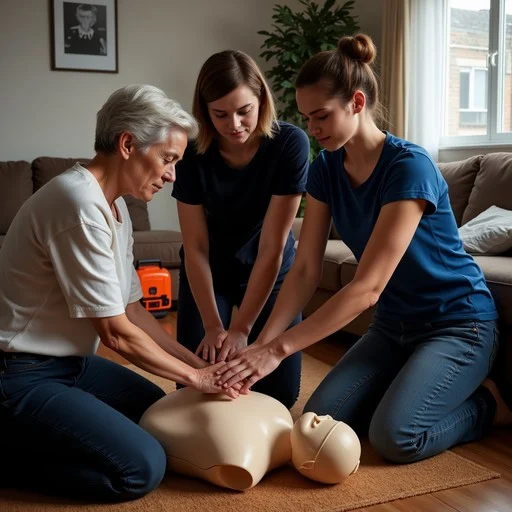
Step 2: Position Your Hands
- Lay the person flat on their back on a firm surface
- Kneel beside their chest
- Place the heel of one hand in the center of the chest
- Place your other hand on top
- Lock your elbows and use your body weight
Step 3: Push Hard and Fast
- Push at least 2 inches deep
- Compress at 100–120 times per minute
- Allow the chest to fully rise between pushes
- Continue without stopping unless:
- The person starts breathing
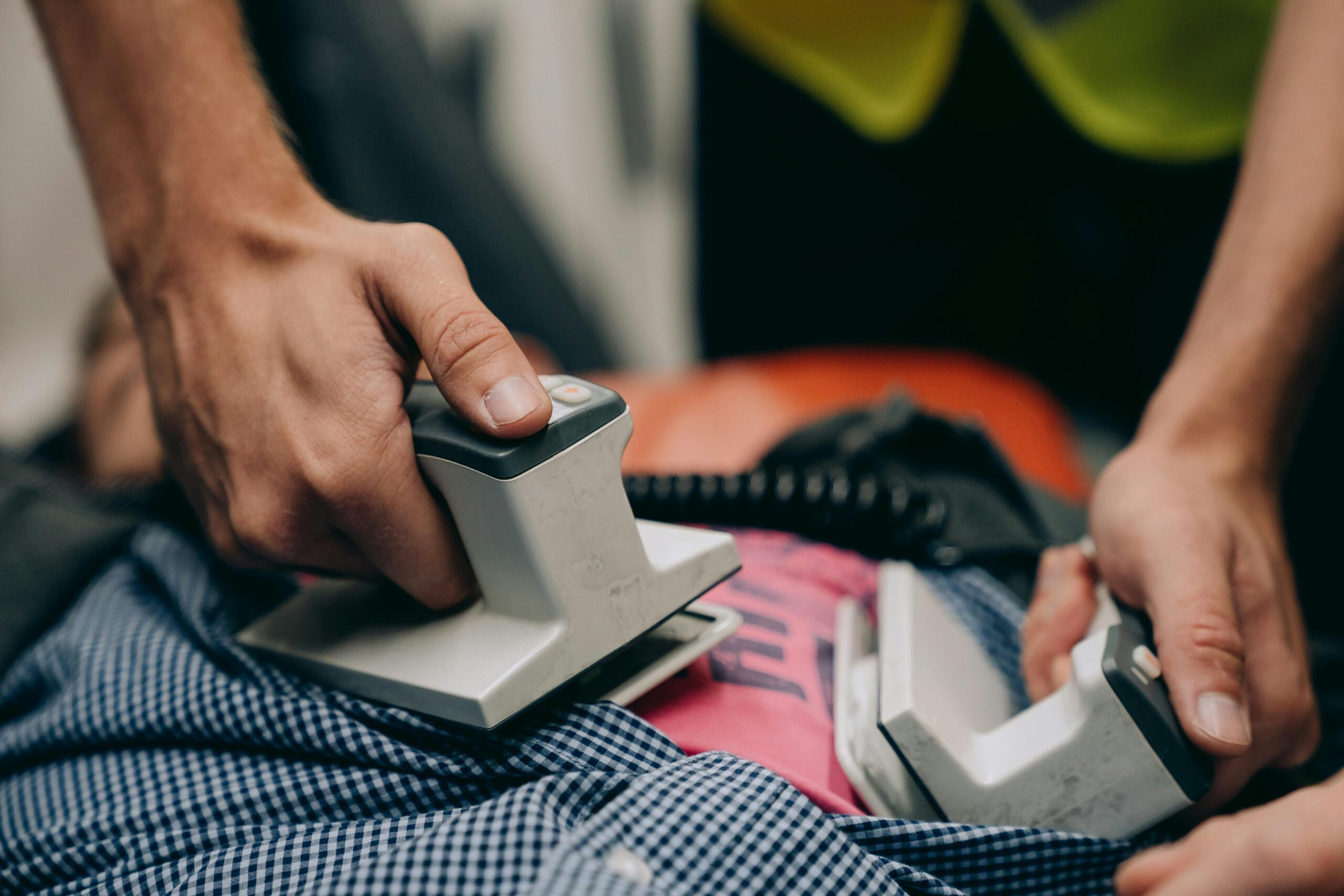
- An AED is ready to use
- Emergency responders take over
A helpful rhythm: the beat of “Stayin’ Alive.”
Step 4: Use an AED If Available
- Turn the AED on
- Follow the voice prompts
- Resume CPR immediately when instructed
Hands-Only CPR Quick Checklist
This checklist can be printed, saved, or posted at home.
HANDS-ONLY CPR CHECKLIST
- ☐ Shout and shake shoulders
- ☐ Check breathing (10 seconds max)
- ☐ Call 911 and put phone on speaker
- ☐ Hands in center of chest
- ☐ Push hard and fast (100–120/min)
- ☐ Don’t stop until help arrives
- ☐ Use AED if available
Why Acting Fast Saves Lives
Immediate CPR:
- Keeps oxygenated blood flowing to the brain
- Can double or triple survival chances
- Reduces the risk of permanent brain injury
Yet less than half of people who experience cardiac arrest receive CPR before help arrives — often because loved ones don’t feel confident or prepared. Knowledge removes hesitation.
Learn CPR This American Heart Month
February is American Heart Month, a reminder that heart health and emergency preparedness go hand in hand. Cardiac arrest doesn’t wait — but you can be ready.
Take action this month:
- Learn Hands-Only CPR from trusted sources
- Practice these steps with family members
- Locate AEDs in your home, workplace, and community
- Share this article with loved ones
Being prepared doesn’t mean expecting the worst — it means protecting the people you love most.
Final Thought: Confidence Saves Lives
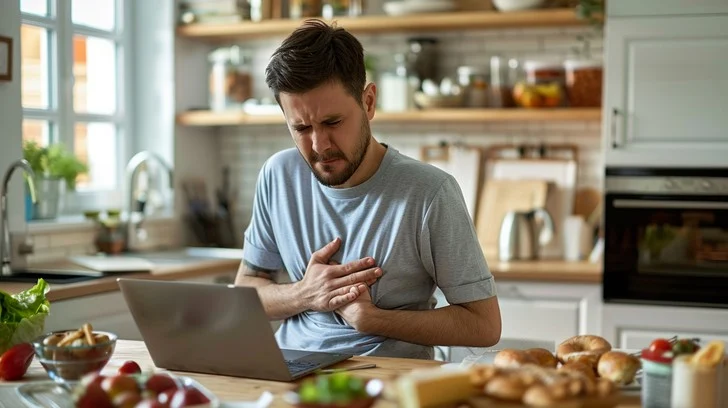
Cardiac arrest is sudden and frightening — but it is not hopeless. The most powerful lifesaving tool is often the person already in the room. By knowing what to do and acting quickly, you give your loved one the best possible chance. This American Heart Month, remember: you don’t have to be a medical professional to be a lifesaver — you just have to be ready to act.