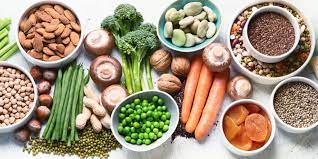
Eat Smart, Stay Steady: The Secrets to Avoiding Blood Sugar Rollercoasters
Keeping your blood sugar stable isn’t just for people with diabetes — it’s vital for energy, mood, and long-term metabolic health. Sudden spikes followed by crashes can leave you tired, irritable, and craving more sugar. Over time, they can also increase your risk for insulin resistance, type 2 diabetes, and weight gain.
Fortunately, how you combine and sequence foods has a major impact on your blood sugar response. Let’s look at what science says — and how to apply it to everyday meals.
🧪 The Science Behind Blood Sugar Spikes
When you eat carbohydrates — especially refined ones — your body breaks them down into glucose, which enters your bloodstream. The faster this happens, the higher your blood sugar spikes.
However, research shows that adding fiber, protein, and healthy fats slows glucose absorption and reduces spikes.
- A study published in The American Journal of Clinical Nutrition (2018) found that meals combining protein, fat, and fiber led to significantly lower post-meal glucose compared to high-carb meals alone.
- Another review in Nutrients (2020) showed that eating protein or vegetables before carbohydrates can reduce blood sugar spikes by up to 40% in people with and without diabetes.
- A 2022 study in Cell Metabolism confirmed that mixed meals rich in fiber and unsaturated fats improved glucose control and insulin response.
🍽️ Food Pairing 101: How to Build Blood-Sugar-Friendly Meals
1. Start with Fiber & Veggies
Eating vegetables before your main carbs helps slow digestion and blunt the glucose surge.
Try this:
- Begin meals with a side salad or a serving of steamed broccoli, spinach, or green beans.
- Add legumes like lentils or chickpeas for extra fiber and protein.
📘 Study tip: Researchers at Nutrients (2019) found that starting a meal with salad reduced glucose spikes by nearly 30% compared to eating carbs first.
2. Pair Carbs with Protein
Protein slows the emptying of your stomach and helps stabilize blood sugar.
Good combos:
- Greek yogurt with berries (vs. fruit alone)
- Brown rice with chicken or tofu
- Whole-grain toast with eggs or nut butter
📘 Study tip: A Journal of Nutrition (2018) study showed that pairing protein with carbohydrates reduced post-meal glucose by 20–35%.
3. Add Healthy Fats for Stability
Fats like olive oil, avocado, and nuts delay gastric emptying, keeping blood sugar steady longer.
Try this:
- Add avocado slices to sandwiches or eggs
- Drizzle olive oil on veggies or salads
- Snack on almonds or walnuts with an apple
📘 Study tip: A study in Diabetes Care (2016) found that meals high in monounsaturated fats improved post-meal insulin response.
4. Choose Whole, Not Refined Carbs
Refined grains (like white bread and white rice) digest quickly and spike blood sugar.
Better options:
- Quinoa, barley, or steel-cut oats instead of white rice
- Whole-grain or sprouted bread instead of white bread
- Sweet potatoes instead of regular fries
📘 Study tip: The Harvard School of Public Health notes that whole grains are linked to a 30% lower risk of developing type 2 diabetes.
5. Mind Your Meal Order
The order in which you eat your food matters — it’s not just what you eat.
Best sequence:
🥦 Veggies → 🍗 Protein/Fat → 🍚 Carbs
This simple strategy can significantly reduce post-meal glucose spikes.
📘 Study tip: In BMJ Open Diabetes Research & Care (2020), participants who followed this order had smaller glucose excursions and felt more satiated.
6. Add Vinegar or Lemon to Your Meal
Acidic foods help lower the glycemic response of a meal by slowing digestion.
Try this:
- Add 1–2 tsp of apple cider vinegar in a glass of water before meals
- Squeeze lemon over salads or fish
📘 Study tip: A European Journal of Clinical Nutrition (2005) study found that vinegar intake reduced post-meal glucose and insulin responses by 20–30%.
🥑 Sample Blood-Sugar-Friendly Meal Plan
Breakfast:
- Veggie omelet with avocado + small side of berries
Lunch:
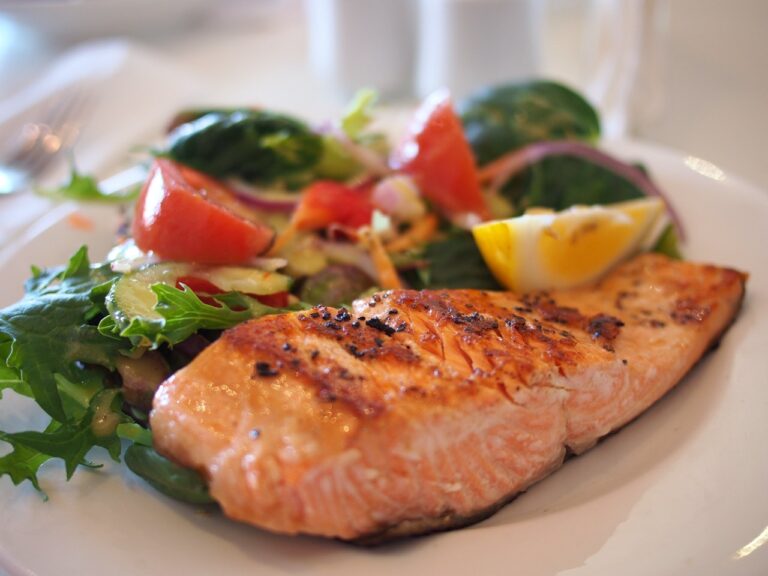
- Grilled salmon or tofu + quinoa + steamed greens with olive oil
Snack:
- Greek yogurt with chia seeds and a handful of nuts
🌿 The Bottom Line
Keeping blood sugar steady isn’t about strict dieting or cutting out all carbs — it’s about learning how to pair and sequence your foods to work with your body, not against it.
By starting meals with fiber-rich veggies, adding protein and healthy fats, and choosing whole, unprocessed carbs, you can avoid those exhausting spikes and crashes. These small, consistent habits not only improve blood sugar control but also support better energy, mood, and long-term metabolic health.
Think of every meal as a chance to build balance — and your body will thank you with steady energy and a healthier future.
✨ Remember: It’s not just what you eat, but how you eat that makes the difference.