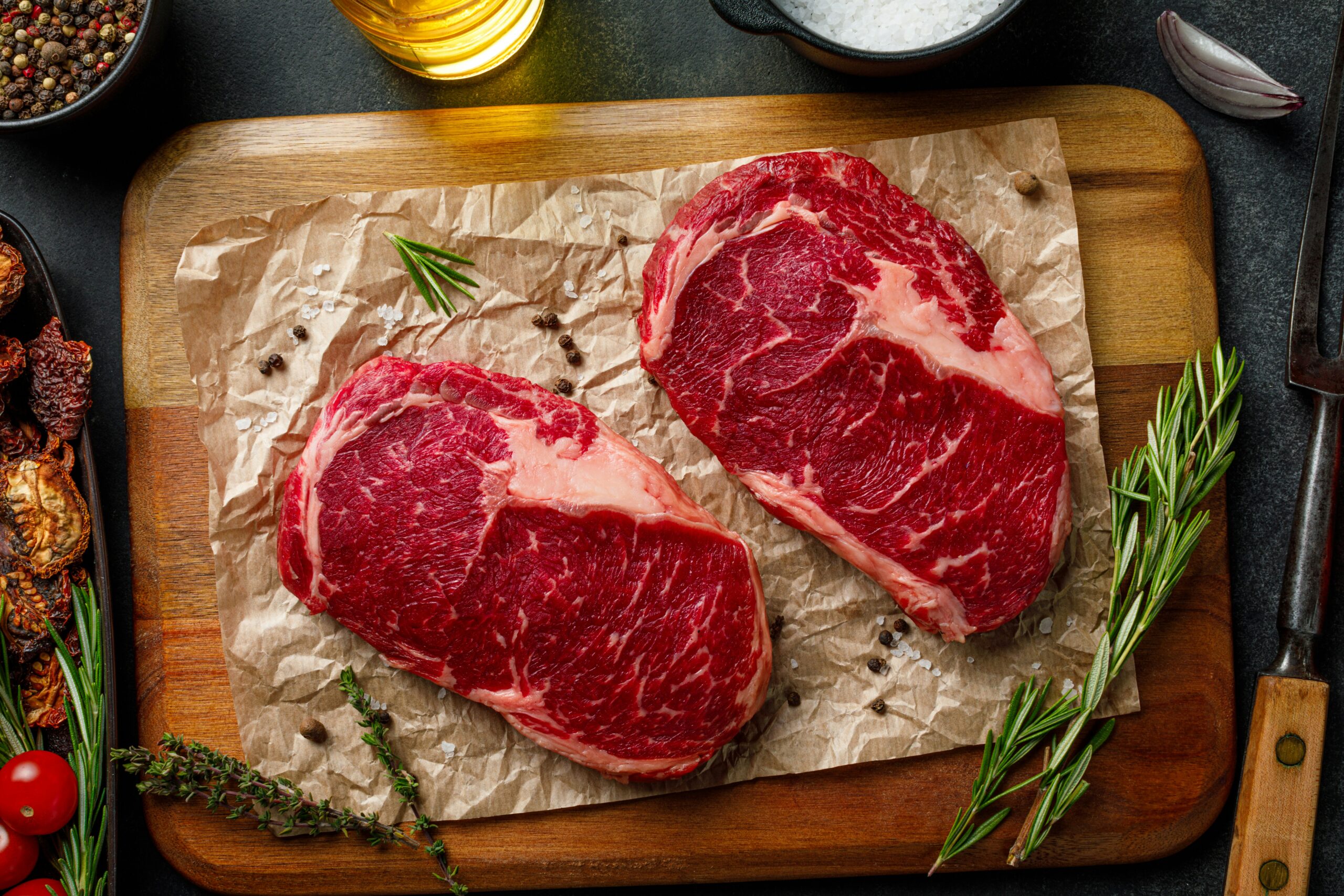
🥩 The Truth About Grass-Fed Beef: Why “Grass-Finished” Matters More
If you’ve ever seen “grass-fed” beef at the store and assumed it’s the healthiest, most ethical choice—you’re not alone. But here’s the catch: not all “grass-fed” beef is created equal. In fact, that label may not mean what you think it does.
In this post, we’ll bust the myth behind grass-fed beef, explain the key differences between “grass-fed” and “100% grass-fed and finished,” and help you make smarter choices at the butcher counter or farmer’s market.
🧾 What Does “Grass-Fed” Really Mean?
At face value, “grass-fed” suggests that the animal was raised on pasture and ate grass its whole life. But in reality, “grass-fed” is a loosely regulated term in the U.S., and it often means the cow was grass-fed at some point—not necessarily throughout its life.
In many cases:
- Cattle are grass-fed early in life.
- Then they’re grain-finished in feedlots, where they eat corn, soy, or other fillers for the last 90–160 days before slaughter to fatten them up.
While technically still “grass-fed,” the grain-finishing stage changes the nutritional profile, health effects, and ethical footprint of the beef.
✅ What Is 100% Grass-Fed and Finished?
Grass-fed and finished means the animal:
- Was raised entirely on pasture.
- Ate grass or forage its entire life.
- Was never confined to a feedlot or fed grain.
This type of beef is:
- Higher in omega-3 fatty acids
- Lower in inflammatory omega-6s
- More nutrient-dense (especially in CLA, vitamin A, E, and glutathione)
- More humane and better for soil regeneration
🧪 A 2010 study published in Nutrition Journal found that grass-finished beef had significantly higher levels of omega-3s, CLA, and antioxidants compared to grain-finished beef.
🧃 Why Grain-Finishing Undermines Grass-Fed Benefits
Grain-finished beef may still come from cows that were partially grass-fed, but the final months of eating grain drastically impact:
- Nutrient content – Omega-3s and antioxidants drop sharply.
- Animal welfare – Feedlots are stressful, crowded, and unhealthy environments.
- Environmental sustainability – Grain-feeding increases reliance on industrial monocrops and fossil fuels.
If you’re choosing beef for health, ethical, or environmental reasons, grain-finishing is a step backward.
🤔 How to Tell If Beef Is Truly Grass-Finished
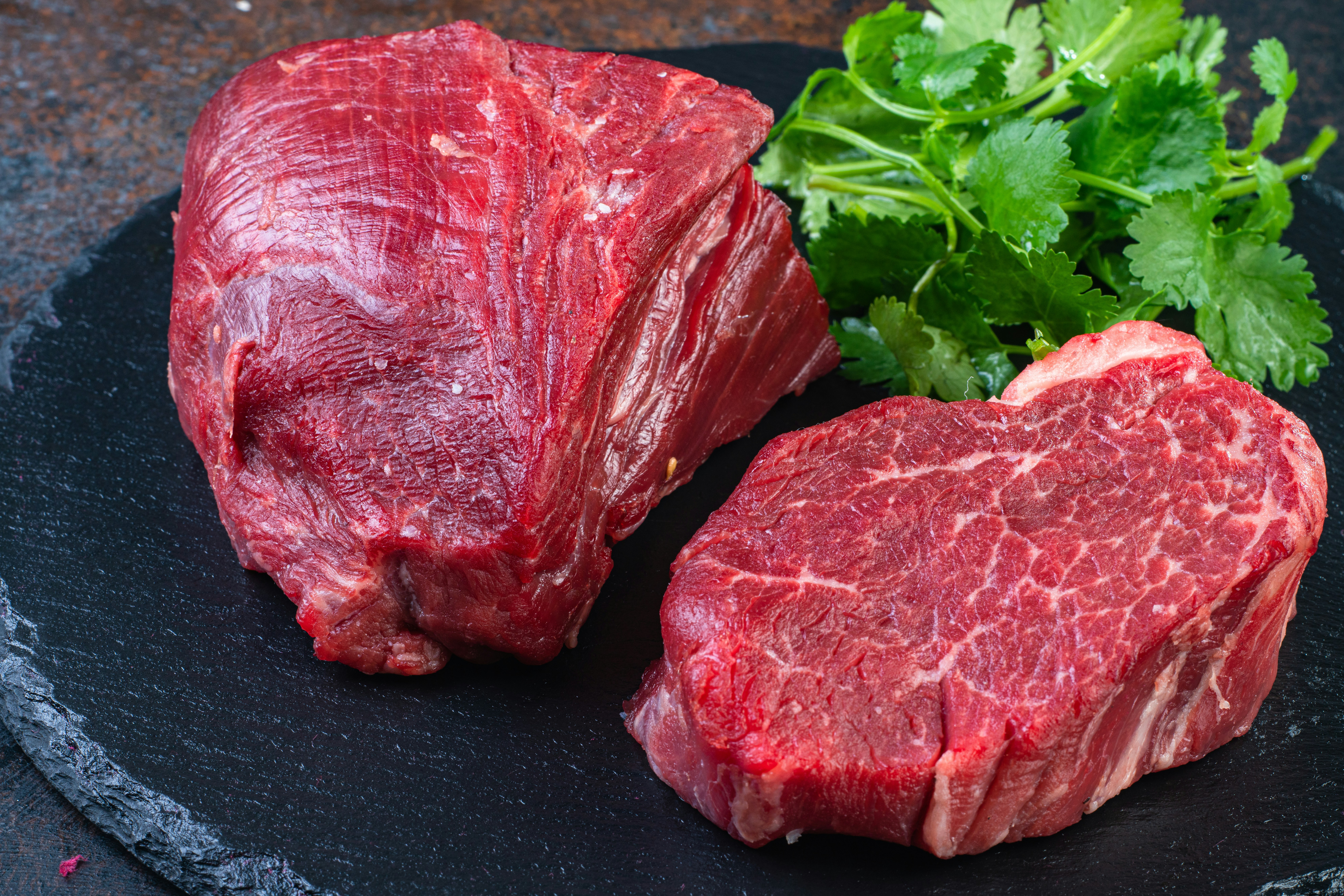
Look for these labels and signs:
✅ “100% Grass-Fed” or “Grass-Fed and Finished”
These are your gold standards. Look for:
- American Grassfed Association (AGA) certified
- Regenerative Organic Certified (ROC)
- Local farms or CSAs that transparently list animal diet and practices
🚫 Watch Out for Greenwashing
Labels that say:
- “Grass-fed” (alone)
- “Natural” or “Pasture-Raised”
May not guarantee grass-finished or grain-free practices.
Tip: Ask your farmer or butcher: “Was this animal grass-finished or grain-finished?” A good source will tell you honestly.
🌎 Why This Matters (Beyond Your Health)
Choosing 100% grass-fed and finished beef also supports:
- Regenerative agriculture: Helping rebuild soil and capture carbon
- Animal welfare: More natural, humane conditions
- Small, local farms: Instead of industrial meat operations
The real choice isn’t just between grass and grain—it’s between a regenerative future and a feedlot-based one.
🥩 Bottom Line
Not all grass-fed beef is equal.
While “grass-fed” may sound healthy, it often hides grain-finishing practices that undermine both health benefits and ethics.
For the best nutritional profile, animal welfare, and sustainability, always look for 100% grass-fed and finished beef—preferably from transparent, regenerative farms.
📌 Key Takeaways
- “Grass-fed” is not the same as “grass-finished”
- Grain-finishing reduces nutrients like omega-3s and CLA
- Look for AGA, ROC, or talk to your farmer
- Support local regenerative agriculture for better health and environmental impact
📚 Sources
- Daley, C.A., Abbott, A., Doyle, P.S., Nader, G.A., & Larson, S. (2010). A Review of Fatty Acid Profiles and Antioxidant Content in Grass-Fed and Grain-Fed Beef. Nutrition Journal, 9(10). https://doi.org/10.1186/1475-2891-9-10
- American Grassfed Association: https://www.americangrassfed.org
- Healthline. Grass-Fed vs. Grain-Fed Beef: The Nutritional Differences. https://www.healthline.com/nutrition/grass-fed-vs-grain-fed-beef
- Regenerative Organic Certified. https://regenorganic.org