🌿 “Steady as She Glucose!” — 10 Natural Ways to Lower Blood Sugar (That Science Actually Supports)
Keeping blood sugar in check doesn’t have to be complicated — or boring. From daily habits to herbal helpers, small, consistent choices can make a huge difference in glucose balance, energy, and long-term health.
Let’s dive into 10 natural, evidence-based ways to lower blood sugar — what they are, how they work, what studies say, and a few important cautions before you start.
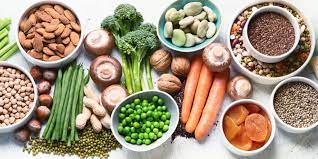
🥦 1. Add More Fiber — Especially Soluble Fiber
What it does: Fiber slows digestion and sugar absorption, helping prevent glucose spikes.
How to use: Aim for 25–35g of fiber per day from foods like flaxseed, chia, lentils, beans, and veggies.
Science says: A 2020 Nutrients review found that people who consumed the highest fiber intake had lower fasting glucose and HbA1c levels.
Caution: Increase slowly and hydrate well to prevent bloating.
🍋 2. Try Apple Cider Vinegar Before Meals
What it does: The acetic acid in vinegar slows stomach emptying and improves insulin sensitivity.
How to use: Mix 1–2 tsp in water before meals or drizzle on salads.
Science says: A European Journal of Clinical Nutrition study (2005) showed a 20–30% reduction in post-meal blood sugar.
Caution: Avoid undiluted vinegar — it can erode tooth enamel or irritate the stomach.
🌿 3. Take Berberine (Nature’s Metformin)
What it does: A plant compound found in goldenseal and barberry, berberine improves insulin sensitivity and glucose uptake in cells.
How to use: Typical dosage is 500 mg, 2–3 times daily before meals.
Science says: A Metabolism (2008) study found berberine as effective as metformin for type 2 diabetes in improving fasting glucose and A1C.
Caution: Avoid during pregnancy or while on prescription diabetes meds without doctor supervision — may cause low blood sugar.
☕ 4. Drink Green Tea Regularly
What it does: Green tea contains catechins that improve insulin sensitivity and support metabolism.
How to use: Enjoy 2–3 cups daily, ideally unsweetened.
Science says: A Diabetes & Metabolism Journal (2019) meta-analysis found green tea improved fasting blood glucose in people with metabolic syndrome.
Caution: May interact with blood-thinning medications.
🏃♀️ 5. Move After Meals
What it does: Light activity (like walking) helps muscles use glucose from the bloodstream more efficiently.
How to use: Try a 10–15 minute walk after each meal.
Science says: A Diabetologia (2016) study found post-meal walks reduced blood glucose by 12% compared to being sedentary.
Caution: If you take insulin or glucose-lowering meds, monitor for hypoglycemia.
💊 6. Consider Magnesium Supplements
What it does: Magnesium plays a key role in glucose metabolism and insulin action.
How to use: Aim for 200–400 mg daily of magnesium glycinate, citrate, or malate.
Science says: A Diabetes Care (2011) study found that people with higher magnesium intake had a 15–20% lower risk of type 2 diabetes.
Caution: Too much magnesium can cause loose stools — start low and increase gradually.
🌼 7. Add Cinnamon to Your Diet
What it does: Cinnamon may enhance insulin sensitivity and slow carbohydrate digestion.
How to use: Add ½–1 tsp daily to smoothies, coffee, or oatmeal.
Science says: A Journal of Medicinal Food (2013) meta-analysis found cinnamon reduced fasting blood glucose by 10–29 mg/dL on average.
Caution: Cassia cinnamon (common type) contains coumarin, which can harm the liver in excess — opt for Ceylon cinnamon when possible.
🧘♂️ 8. Manage Stress with Mindfulness or Yoga
What it does: Chronic stress raises cortisol, which increases blood sugar levels.
How to use: Try 10–20 minutes daily of deep breathing, meditation, or gentle yoga.
Science says: A Journal of Clinical Psychology (2018) study found mindfulness practice lowered A1C and improved glucose regulation in adults with diabetes.
Caution: None — but be consistent; benefits build over time.
🌞 9. Get Enough Quality Sleep
What it does: Poor sleep reduces insulin sensitivity and raises hunger hormones.
How to use: Aim for 7–9 hours nightly with consistent bedtime habits.
Science says: A Sleep Health (2020) review linked short sleep duration to higher fasting glucose and insulin resistance.
Caution: If you suspect sleep apnea, talk to your doctor — it’s strongly linked to glucose imbalance.
🥑 10. Follow a Mediterranean-Style Diet
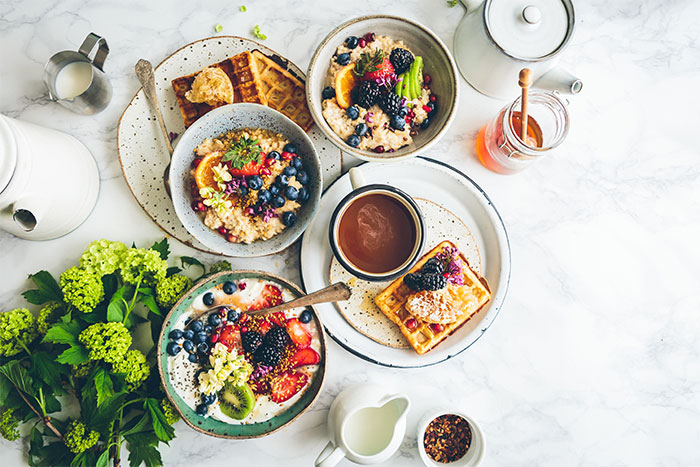
What it does: Emphasizes whole foods, olive oil, fish, and vegetables — naturally balancing blood sugar and reducing inflammation.
How to use: Focus on fiber, omega-3 fats, and antioxidant-rich foods.
Science says: The PREDIMED Study (New England Journal of Medicine, 2013) showed this diet improved insulin sensitivity and reduced diabetes risk by 30%.
Caution: Watch portion sizes of healthy fats if you’re tracking calories.
🌿 The Bottom Line
Natural doesn’t mean “no science.” Many traditional remedies — from vinegar to berberine — now have strong research backing their role in blood sugar control. Combine them with lifestyle habits like sleep, stress management, and post-meal movement, and you’ll have a powerful foundation for metabolic health.
⚠️ Important: Always talk to your healthcare provider before starting supplements, especially if you take medication for blood sugar or blood pressure.
www.wellnessthisway.com
youtube: wellnessthisway